Crises Push Kids Into Classrooms, But Not Into Learning

By Christopher S. Cotton & Ardyn Nordstrom

Over recent decades, global education has made significant strides. More children than ever are attending school. But how resilient are these gains during economic downturns or environmental crises?

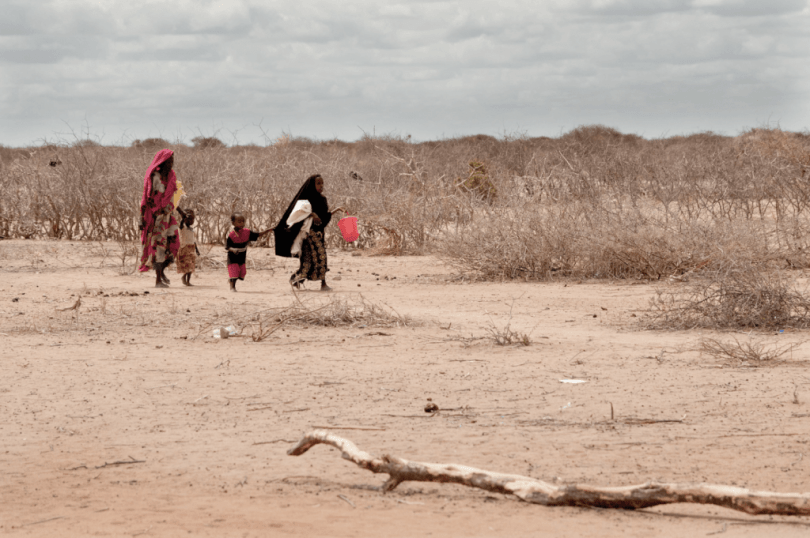
Our recent study explored how a severe drought in rural Zimbabwe impacted education outcomes. We found that the agricultural and economic shock increased school attendance and progression, standard measures that are typically correlated with increased learning. From these results alone, we may have concluded that droughts encourage kids to attend more school, thereby increasing their education outcomes.

However, we had access to a detailed data set on test scores from the region, the analysis of which told a different story. Even as children attended school at higher rates, their performance and learning progress decreased. Crises drove kids to school, but did not increase learning.

Our findings highlight a broader challenge: the correlation between more schooling and more learning can break down during crises. Higher attendance and enrollment rates alone should not be viewed as indicators that children have better education outcomes during such times. Studies that rely on the quantity of education to assess impact may come to the wrong conclusions. This disconnect calls for rethinking how we measure education success during challenging times.

Read More »

Indigenous Education – Transition Briefing

By Maggie JonesQueen’s University

Ontario is home to about a fifth of Canada’s Indigenous peoples aged 0-24, nearly 85% of whom live off reserve. In total, this means that Indigenous peoples make up about 3.4% of the off-reserve population aged 0-24 in Ontario. While the federal government has jurisdiction over the provision of education on reserves, it is the responsibility of the provincial governments to provide education to both Indigenous and non-Indigenous peoples living off reserve. The incoming government should seek to implement policies that reduce the gap in schooling outcomes between Indigenous and non-Indigenous peoples living off reserves.

Continue reading

The unrecognized benefits of grade inflation

By Raphael Boleslavsky (University of Miami) and Christopher Cotton (Queen’s University)

Grade inflation is widely viewed as detrimental, compromising the quality of education and reducing the information content of student transcripts for employers. This column argues that there may be benefits to allowing grade inflation when universities’ investment decisions are taken into account. With grade inflation, student transcripts convey less information, so employers rely less on transcripts and more on universities’ reputations. This incentivises universities to make costly investments to improve the quality of their education and the average ability of their graduates.

Read the full article at VoxEU